

To Order Azithromycin Without Prescription Visit Our Pharmacy ↓
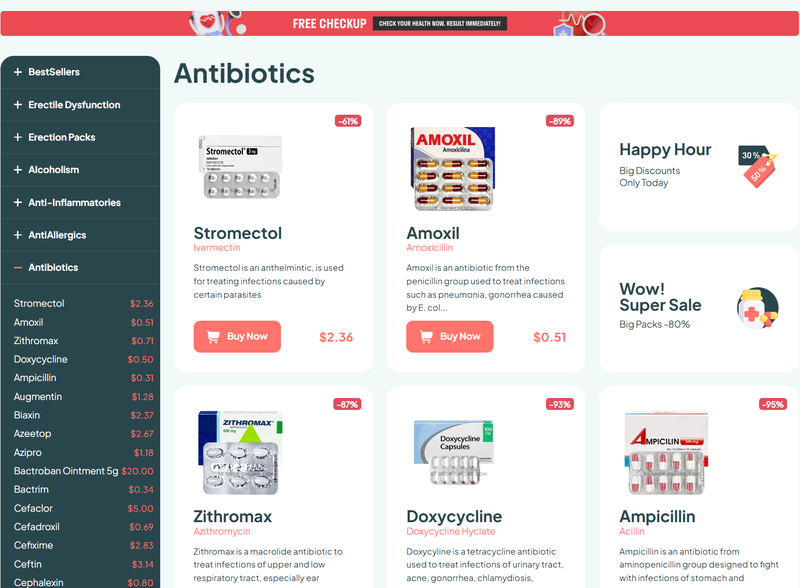
The versatility of Azithromycin comes from its ability to treat a vast range of infections
Azithromycin, a derivative of erythromycin, belongs to the class of drugs called macrolide antibiotics, and it exercises its antibacterial effects by inhibiting protein synthesis in bacteria. The medication's good safety profile means that these more severe effects are uncommon, but awareness is vital for timely intervention and management of these risks. Azithromycin is a macrolide antibiotic medication that is widely used for the treatment of sexually transmitted diseases (STDs). Azithromycin's versatility and effectiveness make it a go-to antibiotic for respiratory infections, significantly improving patient outcomes. For those who cannot tolerate macrolides, doctors may prescribe a different class, such as fluoroquinolones or tetracyclines, provided the bacterial strain is susceptible to these medications. Additionally, some bacteria develop resistance by producing enzymes like methyltransferases, which chemically modify azithromycin, rendering it ineffective against the pathogen. Azithromycin, a widely prescribed antibiotic, has long been recognized for its potent antibacterial properties.
Unraveling Bacterial Resistance: a Growing Concern
The dosage of azithromycin varies depending on the severity and type of infection. It is crucial to select an antibiotic based on the type of infection, its severity, the child's medical history, and local resistance patterns. Azithromycin is commonly prescribed for various infections, and the dosage can vary depending on the condition being treated. However, like any drug, there are both benefits and drawbacks to using azithromycin. Overall, it is crucial to follow your doctor's instructions and report any symptoms you experience to manage the potential side effects of Azithromycin effectively. Another area where Azithromycin shines is in the treatment of skin and soft tissue infections. By shedding light on its benefits, we can better understand why azithromycin has become a trusted choice for promoting healthy skin.
Understanding Azithromycin: How This Antibiotic Works
Additionally, azithromycin has a unique ability to accumulate within infected tissues, allowing for a more targeted and aggressive approach to eradicating infections. Azithromycin has undergone extensive clinical trials and has been shown to be an effective treatment choice in many clinical settings. The choice of alternative medication also factors in the possibility of antibiotic resistance, making culture and sensitivity tests crucial before determining an appropriate treatment. Azithromycin is a highly effective drug in fighting bacterial infections. Azithromycin, a versatile antibiotic, is often prescribed in a Sig that can vary depending on the Condition being treated. The widespread use of antibiotics, including azithromycin, has led to an increase in drug-resistant bacteria, which presents a challenge in managing respiratory infections effectively. Researchers worldwide are delving into innovative strategies to thwart resistance mechanisms and preserve the effectiveness of this vital antibiotic.
Common Myths: Debunking Misinformation and Misconceptions
Azithromycin, a popular antibiotic, has been a victim of this trend. Moreover, it is essential to inform your healthcare provider of any current medical conditions or medications, including over-the-counter supplements, when being prescribed Azithromycin. The Role of Azithromycin in the ongoing battle against antibiotic resistance has been significant. It has been found to inhibit the replication of certain viruses by interfering with their protein production. Moreover, azithromycin demonstrates antimicrobial activity against Haemophilus influenzae and Moraxella catarrhalis, common culprits behind ear infections, sinusitis, and bronchitis. These side effects can limit its use in some individuals who may have underlying health conditions or allergies. The original purpose of the discovery was to create a new antibiotic that would be more effective against bacterial infections and have a longer half-life in the body.
Decoding Azithromycin's Impact on Common Respiratory Ailments
However, like all medications, Azithromycin can cause side effects, which we'll discuss in the next section. Moreover, its anti-inflammatory properties contribute to symptom reduction in infections like travellers' diarrhea, where inflammation plays a key role. Separating fact from fiction is essential, as misinformation can lead to unnecessary anxiety or incorrect decision-making. Azithromycin's convenient dosing regimen, often requiring only a short course of treatment, enhances patient compliance and reduces the likelihood of missed doses. The appropriate selection among antibiotics is crucial, balancing the treatment's effectiveness with the imperative to prevent the escalation of resistant bacterial strains. However, this notion is unfounded. In addition, azithromycin should not be taken with certain medications, such as cholesterol-lowering drugs or blood thinners, without consulting with a healthcare provider first.
Strategies to Combat Antibiotic Resistance Today
However, it should be noted that like all antibiotics, it can cause serious side effects such as tendonitis, tendon rupture, and nerve damage, so care should be taken when using this antibiotic. It is effective against a broad range of bacteria, including both gram-positive and gram-negative strains, as well as atypical bacteria such as Mycoplasma and Chlamydia. While azithromycin has shown promise as a possible treatment for COVID-19, it is important to understand the proper usage of the drug for COVID-19 patients. This drug has traditionally been used to treat bacterial infections, but as a result of the pandemic, it has been suggested as a potential treatment for COVID-19 as well. Among its advantages, Azithromycin has a long half-life and a broad spectrum of activity, allowing for once-a-day dosing and a 3-5 day course of treatment. Patients and healthcare providers should work together to weigh the potential benefits and risks of different antibiotics to identify the best course of treatment for each individual's particular situation. This cellular uptake and subsequent release in tissues results in higher local concentrations than those achievable with many other antibiotics, enabling the drug to combat intracellular pathogens effectively, and also contributes to a convenient dosing regimen often preferred by both clinicians and patients.
Azithromycin Interactions: Keeping Other Medications in Check
Proper monitoring and regular check-ups are necessary to ensure the drug's effectiveness and identify any potential adverse reactions. Additionally, there is a belief that azithromycin is a cure-all antibiotic for various infections, but its spectrum is limited to specific types of bacterial infections. Additionally, there are ethical considerations surrounding the use of azithromycin and related treatments, particularly in the context of limited supplies and potential conflicts of interest. The spread of resistant infections necessitates the use of alternative, often more potent antibiotics, which can have harsher side effects. While the promise of azithromycin as a potential ally in the battle against COVID-19 has caught the eyes of healthcare professionals worldwide, it’s crucial to consider the flip side. However, Azithromycin is not effective against viral infections, such as the flu or common cold. Overall, azithromycin's broad spectrum of activity, good tolerability, and convenience make it an attractive choice for respiratory infections, especially where oral therapy is preferred.
Introduction to Azithromycin
Sometimes, regardless of how safe and effective a medication is, there may be situations where an individual cannot take it due to drug interactions or allergies. Finally, we will provide practical guidance on balancing the benefits and risks of azithromycin use for both patients and clinicians. Clinical trials have consistently shown that azithromycin can eradicate bacterial pathogens effectively, making it a popular choice among healthcare providers. Although it offers hope for patients, it is essential to be aware of the potential side effects and take necessary precautions. This article will delve further into its specific uses, effectiveness, side effects, and provide a comparison with other antibiotics commonly used for similar purposes. According to the World Health Organization (WHO) and the Centers for Disease Control and Prevention (CDC), azithromycin alone does not offer a guaranteed cure for the virus. However, these side effects typically subside on their own and rarely require discontinuation of the treatment.
The Battle Against Bacteria: How Azithromycin Saves Lives
Additionally, technological advancements in pharmaceutical formulations have optimized its bioavailability and reduced adverse effects, ensuring safer and more efficient treatment protocols. One of the main uses of Azithromycin is in the treatment of respiratory tract infections. The dosage will depend on factors such as the patient's age and weight, the severity of the infection, and the type of bacteria causing the infection. Recent studies have highlighted instances where standard treatments failed, and resistant strains have become more prevalent. Furthermore, azithromycin has been found to enhance the clearance of mucus and promote the activity of immune cells in the lungs, improving the overall immune response against respiratory pathogens. Proper administration of Azithromycin is also important for avoiding potential drug interactions. By targeting multiple types of pathogens, azithromycin offers a versatile approach to treating various illnesses and demonstrates its potential to be a vital tool in managing infectious diseases.
Azithromycin is also effective in treating bacterial sinusitis, pneumonia, and strep throat
Additionally, we'll provide dosage information and guidelines to help individuals use Azithromycin safely and effectively. Azithromycin, a broad-spectrum macrolide antibiotic, has shown promise in combating antibiotic-resistant bacteria, including those causing ear infections. This antibiotic is commonly prescribed for respiratory tract infections, including bronchitis, pneumonia, and sinusitis. This article focuses on the potential side effects of azithromycin treatment, including some rare but serious complications that patients should be aware of before taking the medication. Additionally, azithromycin's unique mechanism of action may make it an effective alternative for those who are unresponsive to other acne treatments or antibiotics. Some of the most common side effects include upset stomach, diarrhea, gas, nausea, vomiting, headache, dizziness, and rash. This unique mechanism of action contributes to its broad-spectrum efficacy against a wide range of respiratory infections, including pneumonia, bronchitis, and sinusitis.
Purchase Robaxin OnlineBuy Chloroquine Without InsuranceBuy Wegovy No Insurance

Dmitry is the founder of TopicRanker – a software tool to find problems & weaknesses on Google search results and discover keywords you can easily rank for with your website. Over the last 10 years, Dmitry has helped 300+ brands rank #1 on Google through PR and SEO. Dmitry used PR & SEO to grow a startup from 0 to 40 million views per month, and got acquired by Google in 2014. He translated his know-how into JustReachOut.io, a SaaS tool to get covered in press and build authority backlinks without PR firms; it’s been used by 5000+ content marketers to date and was acquired in 2020.